Why Toledo
Why Toledo
A thousand years in one hill town
For centuries Toledo was the capital of Spain and a place where Christian, Muslim and Jewish communities lived and built side by side — the 'City of Three Cultures'. That layered history is written into its streets: a Gothic cathedral, medieval synagogues, a former great mosque and Mudéjar towers, all crammed onto one granite hill. Few cities pack so much into so small a space.
El Greco's city
Toledo was the adopted home of the painter El Greco, and his greatest work — 'The Burial of the Count of Orgaz' — still hangs in the church it was painted for, the Church of Santo Tomé. Seeing it in place, rather than in a gallery, is one of the quiet thrills of a Toledo visit, and a highlight of most guided tours.
An easy, dramatic day from Madrid
Toledo sits about 70 km south of Madrid — under an hour away — yet feels like another century. Its tangle of steep lanes is confusing to navigate alone, so a guide turns a beautiful maze into a clear story, walking you between the essential monuments and explaining the history that makes the city a UNESCO World Heritage Site.
The monuments, one by one
The monuments, one by one
Toledo's great sights are packed into its hilltop old town. Tours differ, but a day usually takes in these landmarks of the three cultures.
- The Cathedral
A Gothic masterpiece
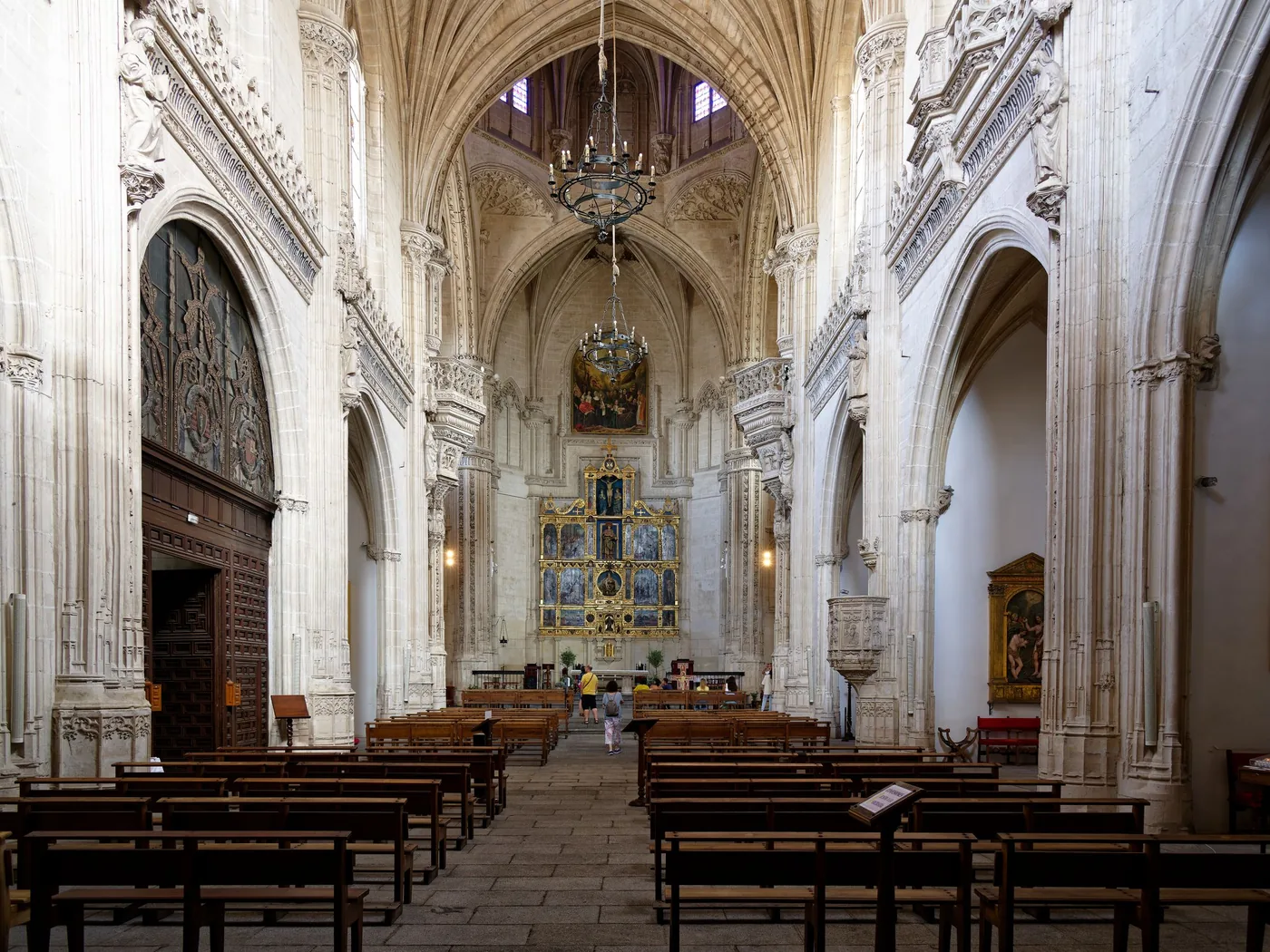
Toledo's vast Primate Cathedral is one of the greatest Gothic buildings in Spain — a forest of soaring stone, dazzling stained glass and an extraordinary carved altarpiece, with the theatrical 'Transparente' skylight above. It's the spiritual heart of the city and often the centrepiece of a tour.
- Santo Tomé
El Greco in place
The modest Church of Santo Tomé holds El Greco's masterpiece, 'The Burial of the Count of Orgaz', painted for this very wall. Standing before it where it was meant to be seen — half earthly funeral, half heavenly vision — is a genuine highlight.
- Santa María la Blanca
A synagogue of white arches
Built as a synagogue under Christian rule by Muslim craftsmen, Santa María la Blanca is a serene hall of horseshoe arches and white columns — a single building that embodies the three-cultures story better than any words. Many tours include it or the nearby Synagogue of El Tránsito.
- The Jewish Quarter
Lanes of the old Judería
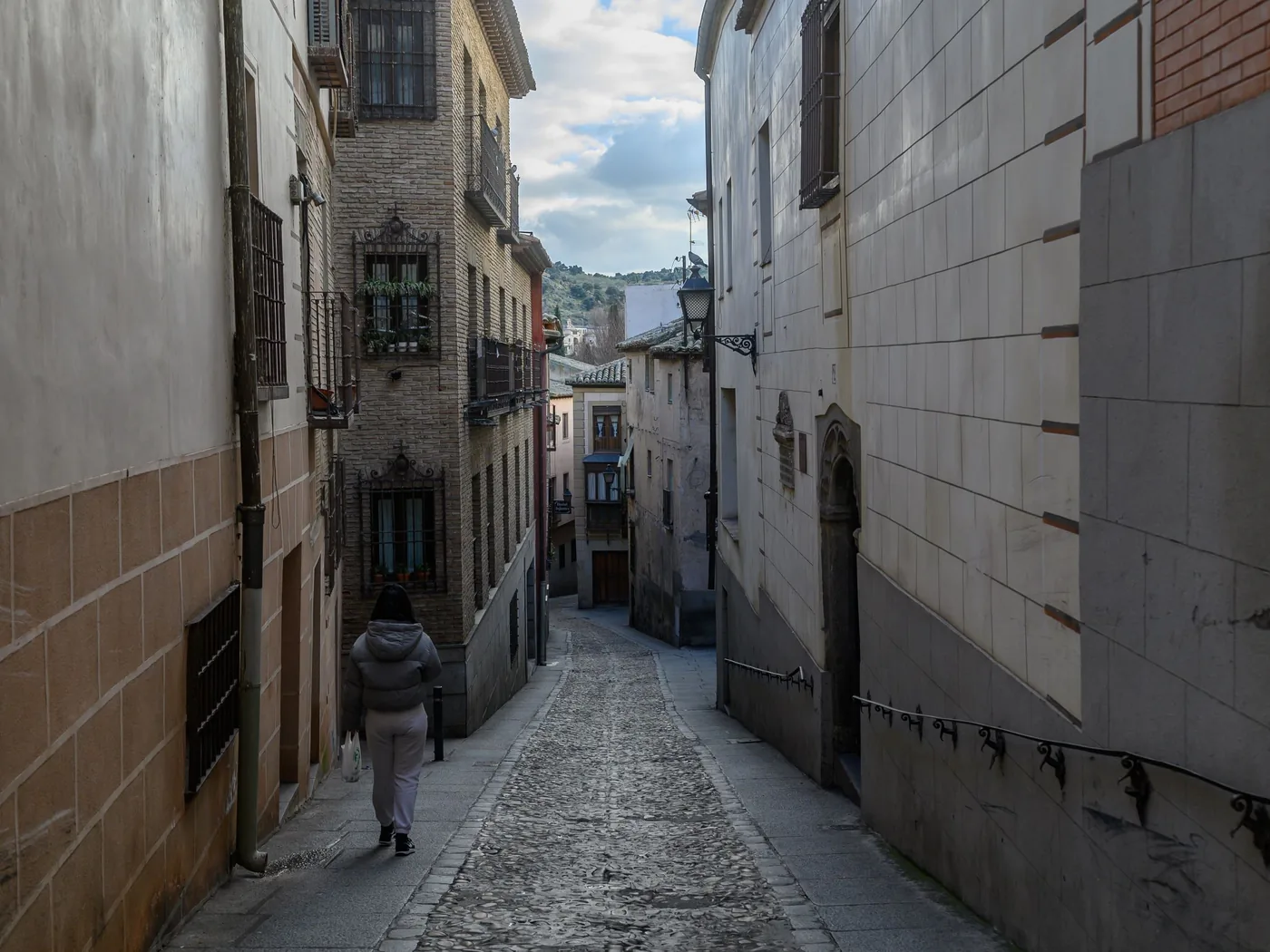
A walk through Toledo's medieval Jewish quarter — steep, narrow lanes, hidden courtyards and workshops — brings the layered city to life. It's also the place to see the famous Toledo steel and gold damascene work, and to buy the city's marzipan.
- The views
Steel, the Alcázar & the Tagus
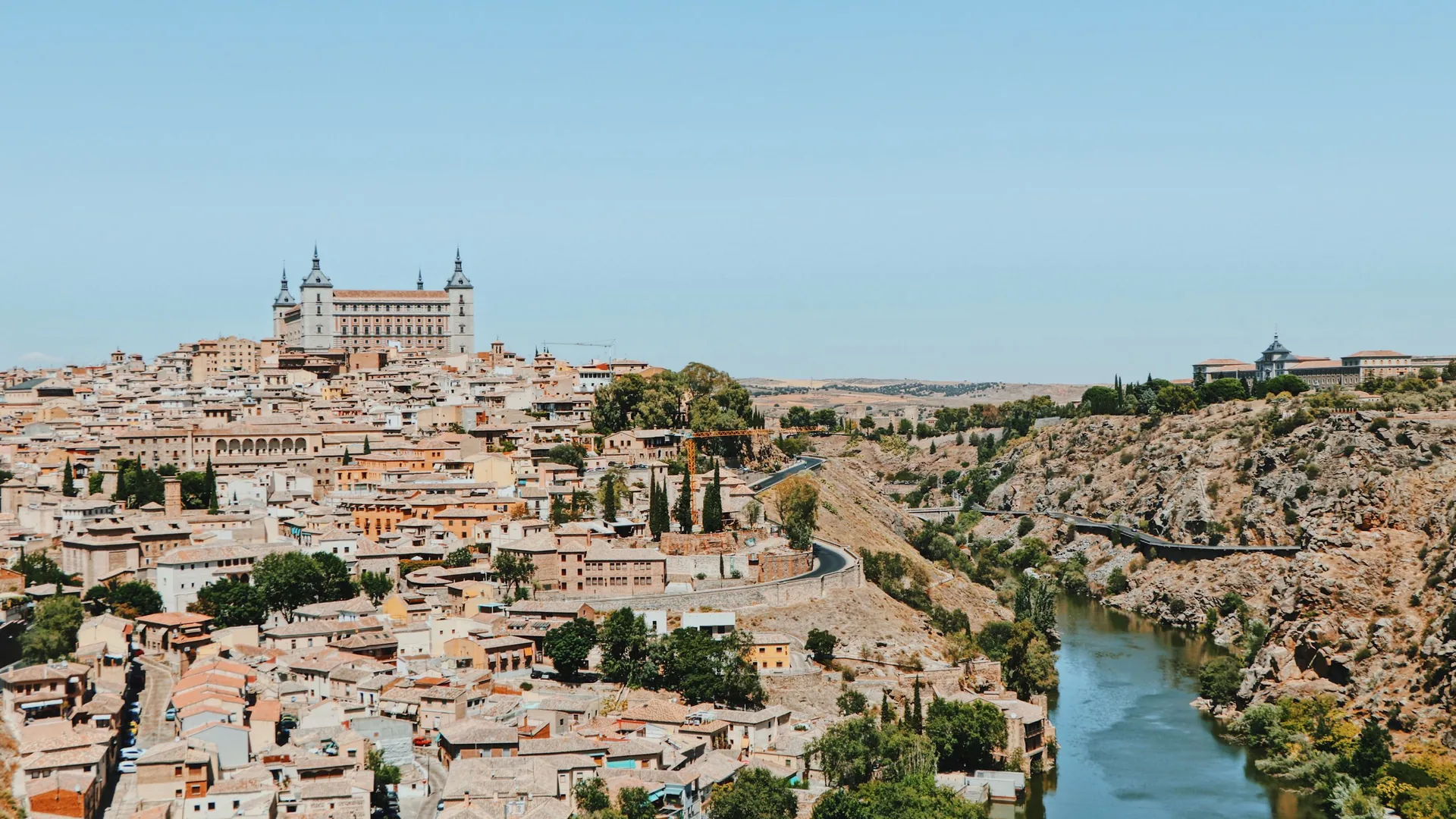
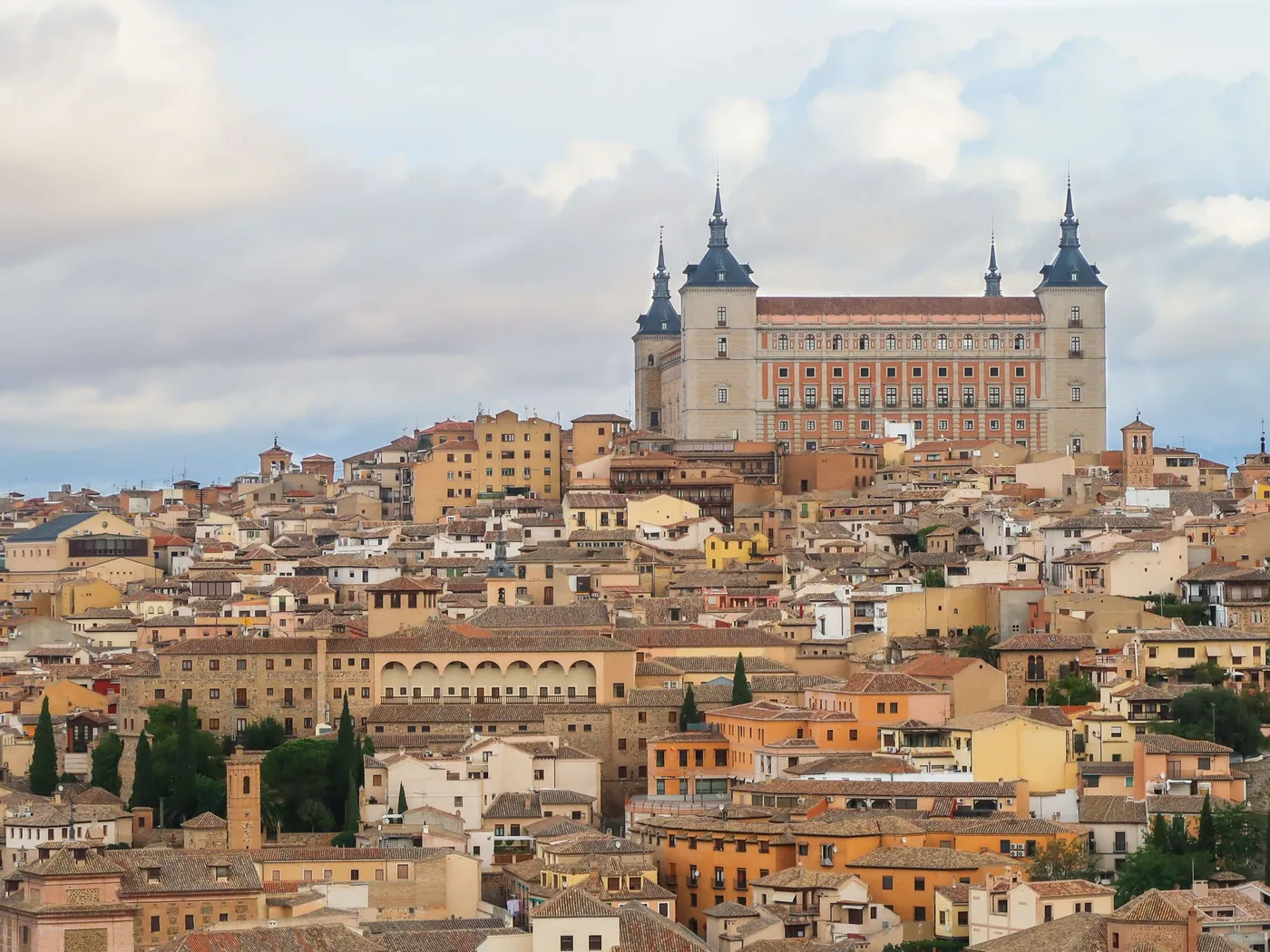
Above it all looms the great square Alcázar fortress, and from the surrounding hills the classic postcard view opens up: the whole golden city rising from a loop of the Tagus. Many tours include a panoramic stop for this unforgettable sight.
The city & getting there
The city & getting there
Toledo is a steep, walkable museum of a city just south of Madrid. Here's what to know before you go.
A city on a hill in a river bend
The old town sits on a granite outcrop almost completely wrapped by the Tagus river, which made it a natural fortress. That means steep, cobbled, winding streets and plenty of climbing — wonderful to explore, but a genuine workout, and easy to get lost in without a guide or a good map.
Getting there from Madrid
Toledo is about 70 km south of Madrid — roughly 45 minutes by high-speed train or under an hour by road. Guided day tours handle the transport by coach, usually with a panoramic stop for the famous view. Independent visitors can take the fast AVANT train from Madrid's Atocha station and walk or take an escalator up into the old town.
Monument tickets and the 'bracelet'
Toledo's major monuments charge separate admissions, and there's a combined 'tourist bracelet' covering several of them. Guided tours often bundle key entries (like the cathedral) into the price — check the listing — which saves both money and the ticket queues at each site.
Steel, marzipan and El Greco
Beyond the monuments, Toledo is famous for three things: its steel and gold 'damascene' craftwork, sold in workshops across the old town; its almond marzipan, a local speciality for centuries; and El Greco, whose museum and works are scattered through the city. Leave a little time and cash for all three.
Toledo, in pictures
Toledo, in pictures
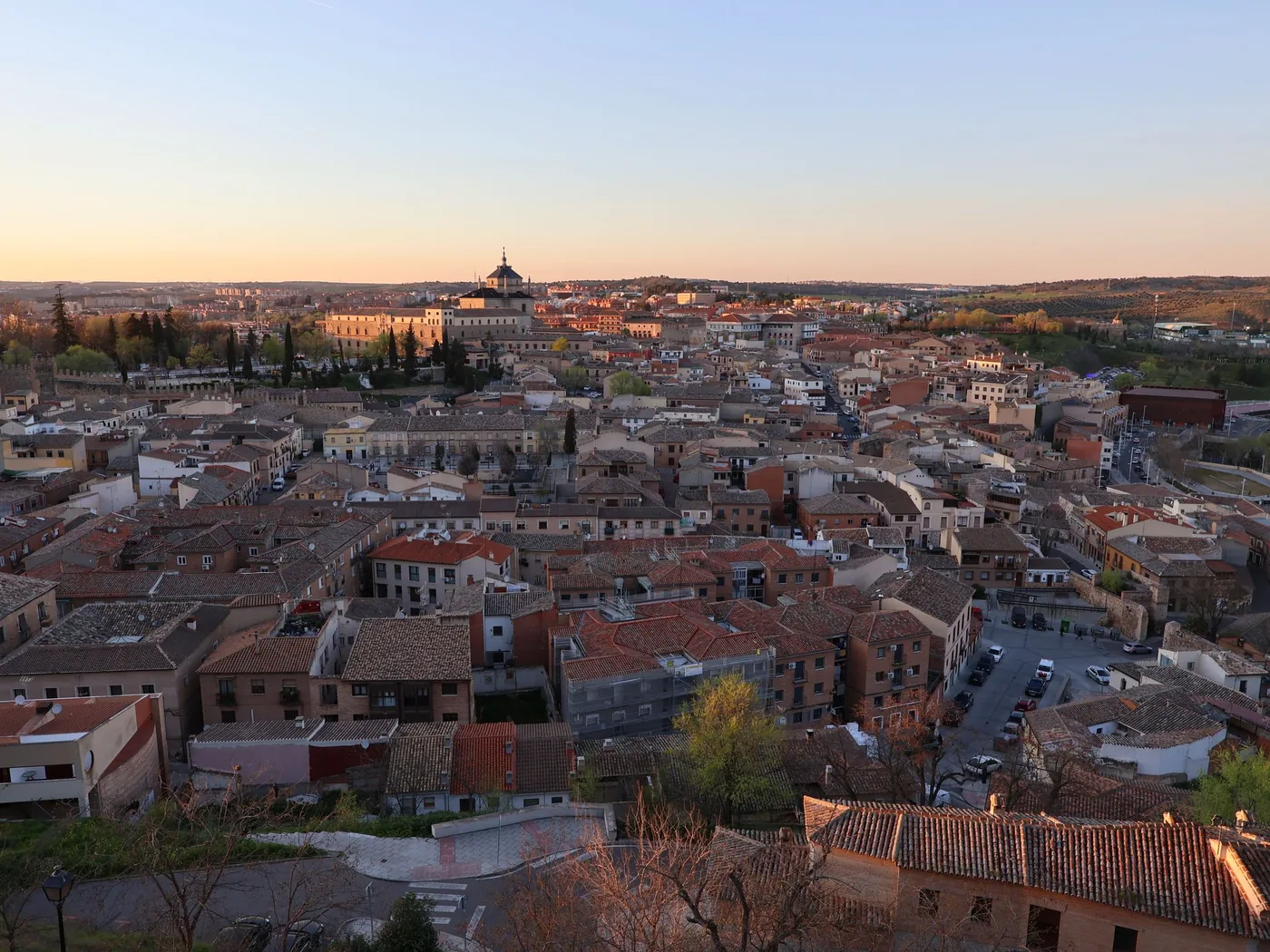
The hilltop skyline, the Gothic cathedral and the golden streets of the three cultures.
Tour options & what's included
Tour options & what's included
| Option | What it includes | Good to know |
|---|---|---|
| Full-day guided tour | Coach from Madrid, a guided walk and the major monuments | The classic — the whole City of Three Cultures in a day |
| Half-day tour | A shorter Toledo visit with the highlights | Cheaper and quicker; less free time and fewer monuments |
| With cathedral admission | The guided tour plus entry to the Gothic cathedral | Saves queuing and covers the city's must-see interior |
| Toledo + Segovia | Both cities in one long day from Madrid | Great value for two UNESCO cities; a big, full day |
Ways to book a Toledo tour
Find a Toledo tour for your dates
Each option below books through GetYourGuide with live availability, and the final price shows in your own currency before you pay.
Planning your Toledo day
Planning your Toledo day
Take a guide for the maze
Toledo's steep, tangled streets are half the charm and half the challenge — it's genuinely easy to get lost, and the monuments' stories are what bring the three-cultures history alive. A guided tour walks you efficiently between the essentials and explains them, which is why most visitors prefer it to going it alone here. If you do go independently, download a map and pick your priorities first.
Choose full-day, half-day or a combo
Decide how much you want: a full-day tour covers the major monuments with time to wander; a half-day hits the highlights faster and cheaper; a version with cathedral admission saves queuing for the must-see interior; and a Toledo + Segovia combo packs two UNESCO cities into one long day. The listing spells out exactly what each includes.
Wear good shoes and pace the hills
The old town is all cobbles and slopes, with plenty of climbing between sights. Wear comfortable, grippy shoes, carry water — Castile can be very hot in summer and cold in winter — and pace yourself. Spring and autumn are the most comfortable times to visit and less crowded than high summer.
Leave time for steel, marzipan and views
Beyond the guided monuments, save a little time and cash for Toledo's specialities: the damascene steel-and-gold workshops, the local almond marzipan, and — if your tour doesn't already stop there — the panoramic viewpoint across the Tagus for the classic skyline shot. They're part of what makes the day memorable.
Booking flexibility
The GetYourGuide listing offers free cancellation up to 24 hours before and often reserve-now-pay-later, so you can hold a spot and adjust your plans. The exact terms and inclusions — especially which monuments and whether the cathedral entry is covered — are shown before you confirm.
Planning a Toledo day trip
Planning a Toledo day trip
FAQ
Toledo day trips — your questions
Why is Toledo called the 'City of Three Cultures'?
For much of the Middle Ages Toledo was a place where Christian, Muslim and Jewish communities lived, worked and built alongside one another, leaving an extraordinary shared heritage. You can see it in a single small city: a great Gothic cathedral, medieval synagogues, a former mosque and Mudéjar architecture blending the styles. That layered history, plus its long stint as Spain's capital, is why the whole old town is a UNESCO World Heritage Site.
Is Toledo worth a day trip from Madrid?
Absolutely — it's one of the best day trips in Spain. Toledo is under an hour from Madrid yet feels centuries away, packing a cathedral, El Greco's masterpiece, ancient synagogues and a dramatic hilltop setting into a compact, walkable old town. A guided tour handles the transport and the confusing streets and brings the history to life, making for an easy, rewarding and memorable day.
What are the main monuments I'll see?
The essentials usually include the vast Gothic Primate Cathedral, the Church of Santo Tomé (home to El Greco's 'Burial of the Count of Orgaz'), and a medieval synagogue such as Santa María la Blanca or El Tránsito, along with a walk through the old Jewish quarter and often a panoramic viewpoint over the Tagus. The exact set depends on the tour, which the listing describes.
Are monument entries included?
It varies by tour. Many guided tours bundle key admissions — most importantly the cathedral — into the price, which saves both money and queuing; others focus on the guided walk and exterior sights, with entries optional or extra. Toledo also has a combined 'tourist bracelet' for several monuments. Check each listing to see exactly which entries are covered.
How much walking is involved?
A fair amount, and it's hilly. Toledo's old town sits on a granite outcrop of steep, cobbled, winding streets, so expect climbing and uneven ground between the sights. It's not extreme, but wear comfortable, grippy shoes and take it steadily, especially in summer heat. There are escalators up into the town from the lower entrance for those arriving independently.
When is the best time to visit?
Spring and autumn (roughly April to June and September to October) are ideal — pleasant temperatures and thinner crowds. Central Spain gets very hot in July and August and cold in winter, so pack accordingly. Whenever you go, book ahead in peak periods, carry water in the warmer months, and enjoy the quieter early and later parts of the day.
Can I book with free cancellation?
Yes. The GetYourGuide listing offers free cancellation up to 24 hours before your tour and often a reserve-now-pay-later option, so you can hold a spot and adjust your plans. The exact terms are shown on the listing before you confirm.
Not sure which tour, or whether to add Segovia or the cathedral ticket?
Leave your email and roughly when you're travelling — we'll send a short rundown of which Toledo monuments matter most, how the half-day and full-day tours from Madrid compare, whether to add the cathedral admission or a Segovia combo, and how to beat the crowds.